
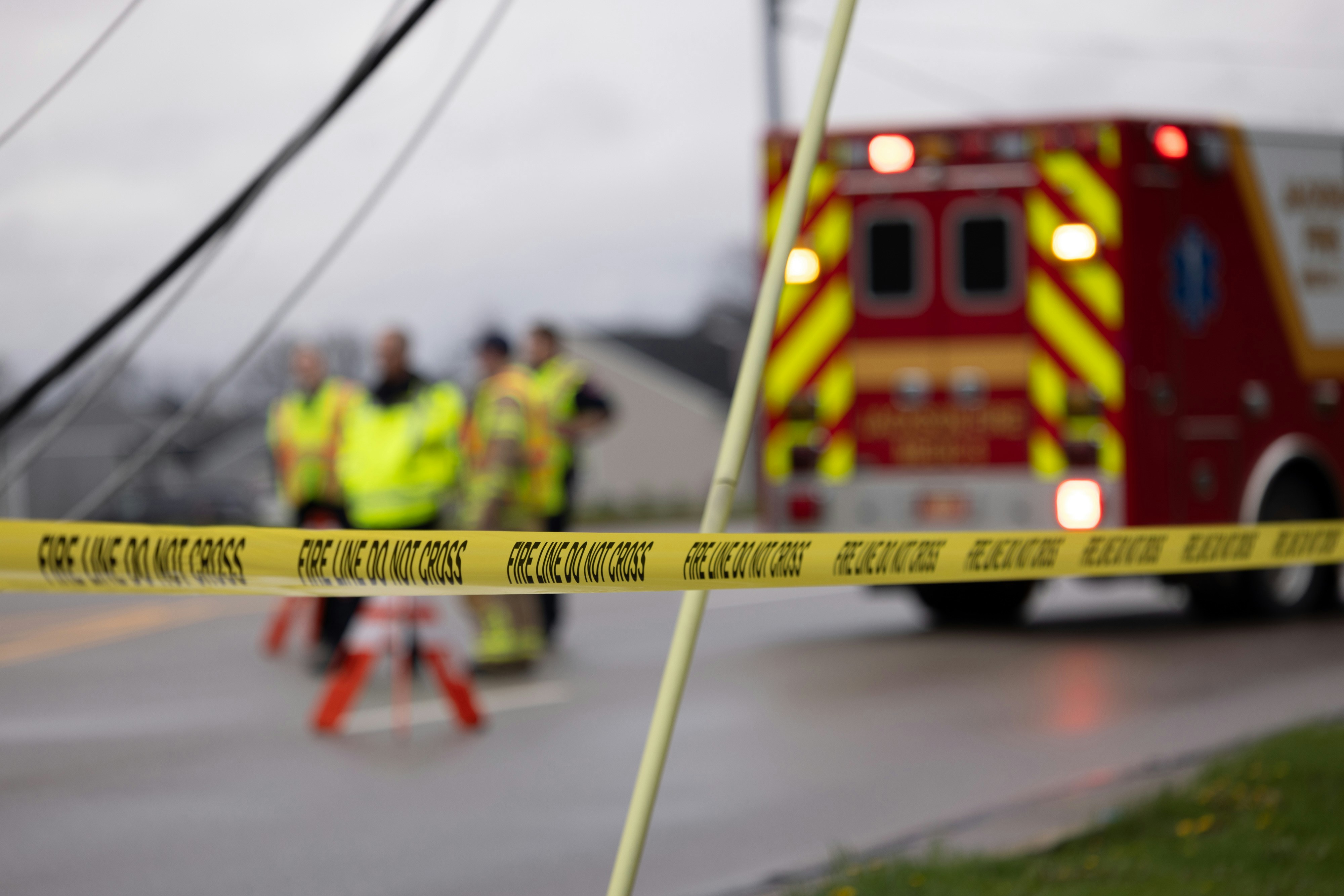
After a San Antonio Hit-and-Run, Who Pays? Check the One Coverage Most Drivers Forget They Have.
By Steven Lopez | Personal Injury Attorney, San Antonio, Texas
In the past two weeks, San Antonio police have been searching for the drivers in two deadly hit-and-run cases. On the night of October 10, 2026 a woman was struck in a crosswalk at San Pedro Avenue and Oblate Drive. Police said a speeding red truck hit her and the driver left without stopping to help. On the morning of October 15, 2026, a man was found dead along I-37 near Loop 1604, and police are treating his death as a suspected hit-and-run. In the most recent public reports, neither driver had been identified.
Families in that position face a question nobody should have to ask on the worst day of their lives: if the driver is gone, who pays? The answer may already be in a policy you pay for every month, and most people have never been told it is there.
What Texas Law Requires of a Driver Who Hits Someone
Under Tex. Transp. Code § 550.021, the driver in a collision that results or is reasonably likely to result in injury or death must stop immediately and stay at the scene. Leaving after a collision that kills someone is a second-degree felony. Leaving after a collision that causes serious bodily injury is a third-degree felony.
Those penalties matter for the criminal case. They do not pay a hospital bill or a funeral bill. The criminal investigation and a claim for compensation run on separate tracks, and the second one should not wait for the first.
The Policy That May Pay: Uninsured Motorist Coverage
Texas insurers must offer uninsured and underinsured motorist coverage with an auto liability policy. Under Tex. Ins. Code § 1952.101, you can decline it only in writing. If you never signed a rejection, you may well have it.
Standard Texas auto policies define an uninsured motor vehicle to include a hit-and-run vehicle whose driver or owner cannot be identified. In plain terms, your own insurer steps into the place of the driver who disappeared and pays what you are legally entitled to recover, up to your policy limits. Policies generally protect you and your family members, including when a family member is hit as a pedestrian, but the exact wording varies, so read yours.
Personal injury protection may also help. Insurers must include it unless the named insured rejects it in writing under Tex. Ins. Code § 1952.152, and it can pay medical expenses and some lost income regardless of who caused the crash.
The Catch: Texas Requires Physical Contact
When the driver is unknown, Tex. Ins. Code § 1952.104(3) requires actual physical contact between that driver's vehicle and the insured person or property. In Nationwide Insurance Co. v. Elchehimi, decided March 28, 2008, the Texas Supreme Court read that rule strictly and held that hitting a detached axle and wheels from an unidentified truck did not count as contact with a motor vehicle.
For a pedestrian struck by a fleeing car, contact is built into what happened. For a driver forced off the road by a car that never touched them, UM coverage may not apply. Paint transfer, debris, and witnesses help prove contact, and they are easiest to gather early.
Why Camera Footage Cannot Wait
Video is often the only witness that saw the vehicle. Many business systems record over themselves on a loop. In Brookshire Brothers, Ltd. v. Aldridge (Tex. 2014), the store's cameras recorded over footage on roughly a 30-day cycle. That is one example, not a rule, because retention varies by system and I cannot tell you how long any particular camera keeps its footage. In the I-37 case, police have said surveillance video captured the man walking before he was found, a reminder of how much a camera can show.
The Texas Supreme Court has said a duty to preserve evidence arises when a party knows or reasonably should know there is a substantial chance a claim will be filed. A written request that names the date, time, and location is one way to put a nearby business on notice.
What Victims and Families Can Do Now
- Report the crash, get the police case number, and request the report.
- Walk the area and note every camera within a block or two: gas stations, apartment complexes, restaurants, and home doorbell cameras.
- Ask in writing that each owner save the footage.
- Photograph injuries, vehicle damage, and the scene.
- Notify your own insurer promptly, because policies require timely notice, and give basic facts only.
- Ask your insurer for your declarations page and any signed UM rejection.
- Talk to a lawyer before you give a recorded statement to your own insurer.
What This Means If You Were Hurt in San Antonio
Whether it happens on I-37, Loop 410, or a neighborhood crosswalk off San Pedro, a hit-and-run leaves a Bexar County family with the same problem: no driver, a stack of bills, and a clock that is already running. Under Tex. Civ. Prac. & Rem. Code § 16.003, the deadline to file a personal injury lawsuit is generally two years, and in a death case it runs from the date of death. Your policy has its own notice requirements, and evidence like video disappears much sooner than either deadline.
Frequently Asked Questions
Can I file a claim if the hit-and-run driver is never found?
Possibly. Your own uninsured motorist coverage may pay, subject to your policy terms and the physical-contact requirement in Tex. Ins. Code § 1952.104(3).
What if I don't remember signing anything about uninsured motorist coverage?
Insurers must offer it, and you can decline only in writing under § 1952.101. Ask your insurer for your declarations page and for a copy of any signed rejection.
Does uninsured motorist coverage apply to pedestrians?
Often, for you and your family members, but policy language varies. Read your policy, and ask a lawyer to read it with you.
How long do I have to file after a hit-and-run in Texas?
Generally two years for a personal injury lawsuit, or two years from the date of death in a wrongful death case. Policy notice requirements and evidence deadlines can come sooner, so call early.
If you or someone you love was hit by a driver who never stopped, you do not have to chase a ghost alone. I review these cases personally, and I will tell you honestly what coverage may be available before you spend a single dollar on it. We handle the calls, we manage the paperwork, and we stand guard, so you can stand down and heal.