
Should You Use a Dash Cam on the Road?
Deciding whether to install a dash cam has become an increasingly common question for today’s drivers. These small devices offer clear video footage that can help clarify what happened during a collision, but they also come with limitations. Understanding how dash cams work—and how they may help or fall short—can guide you in determining whether one makes sense for your vehicle.
Many people wonder if a dash cam is worth it, especially after experiencing a crash where details were disputed or unclear. This overview breaks down the advantages, drawbacks, and important considerations so you can make an informed choice.
Why Dash Cams Are Becoming More Common
As concerns about road safety continue to rise, more drivers are looking for tools that provide accurate accounts of traffic incidents. With collisions still occurring at rates higher than those of several years ago, disagreements over fault and insurance claims are increasingly common. Video evidence can often simplify these disputes.
Research reflects this trend. A study published in the Journal of Safety Research noted that accident-related expenses dropped by 86% when dash cams equipped with driver-feedback systems were used. Although the study focused on a specialized use case, it demonstrates how recorded footage can help reduce risky driving behaviors and financial losses related to crashes. For everyday drivers, this underscores the value that clear, unbiased footage may offer during insurance reviews or legal discussions.
How Dash Cams Function During Everyday Driving
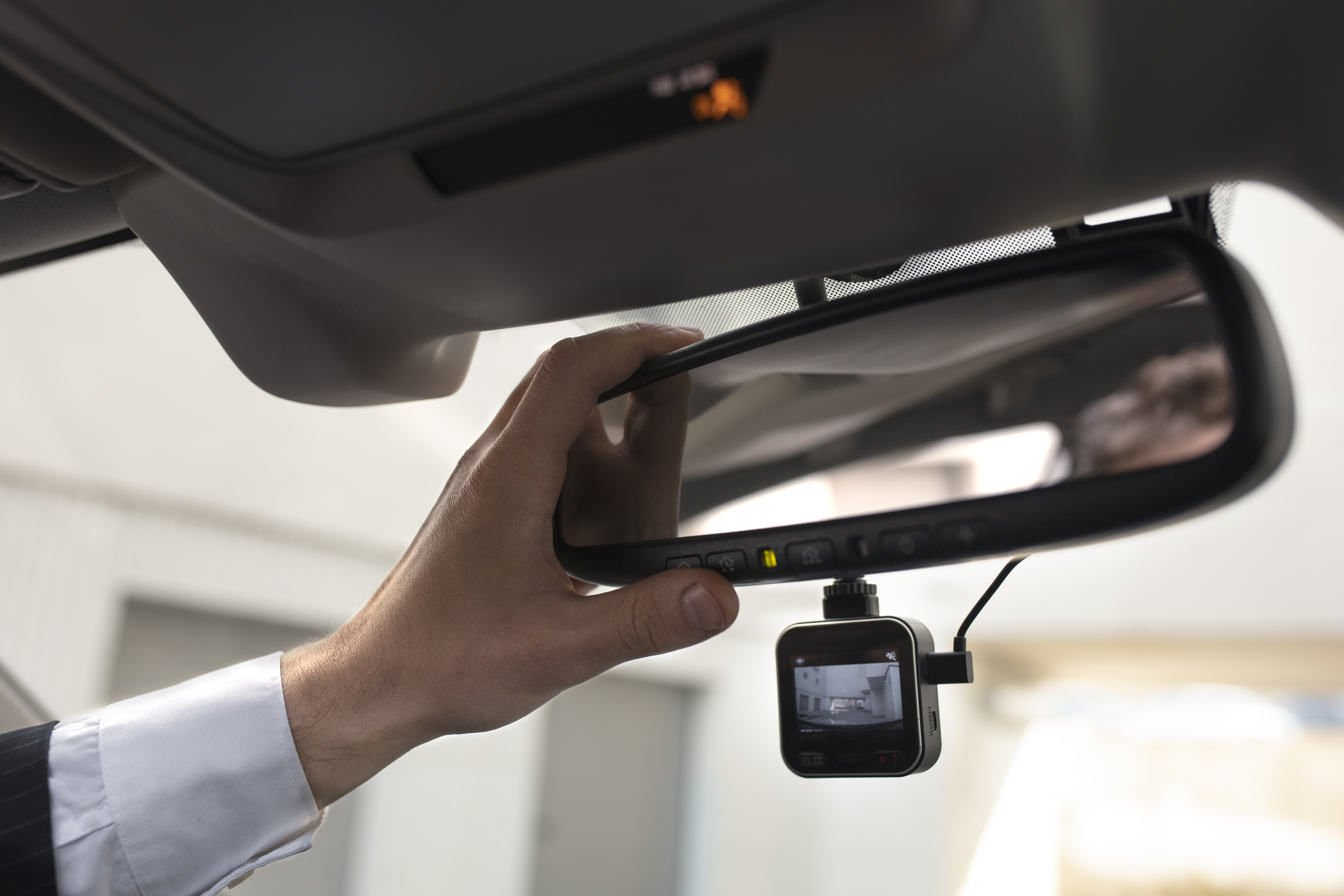
A dash cam is typically mounted on the windshield or dashboard, continuously recording while the vehicle is running. The footage is stored on a memory card and loops automatically, replacing older clips unless the driver chooses to save them.
Some models go further with added features. Cameras equipped with motion or impact sensors can activate even when the car is parked, capturing incidents like hit-and-runs or parking lot collisions. Advanced systems may also include dual front-and-back cameras, night recording capability, GPS, or cloud storage options. Despite variations in features, the main purpose remains consistent: providing an objective visual account of events on the road.
How Dash Cam Footage Helps After an Accident
One of the best-known advantages of dash cams is their ability to clarify what happened leading up to and during a crash. When accounts conflict and no neutral witnesses are present, video can help show how the incident unfolded.
Footage may capture key details such as traffic signals, lane placement, braking patterns, and other drivers’ behaviors. This information becomes especially useful when trying to demonstrate that another motorist drifted into your lane or failed to yield. With video evidence, the resolution of insurance claims or legal disputes often becomes more straightforward.
Protection From Fraudulent or False Claims
Although not extremely common, staged accidents and fraudulent claims do occur. In these situations, dash cam footage can serve as a vital safeguard. There have been instances where recordings exposed intentional collisions or attempts to manipulate blame.
By capturing what actually transpired, a dash cam makes it significantly harder for fabricated accounts to be upheld. While no device can eliminate all risks of fraud, having clear footage increases your protection from being wrongly accused.
Capturing Evidence in Hit-and-Run Situations
Hit-and-run accidents are particularly frustrating because identifying the responsible driver can be challenging. Dash cams sometimes capture helpful information—such as a license plate number, vehicle make, or identifiable damage—that may assist in tracking down the other driver.
Models with parking mode capabilities offer even more value. If the device detects movement or impact, it may record incidents even while your car is unattended, providing an extra layer of potential documentation.
Limitations You Should Be Aware Of
Despite their usefulness, dash cams do not offer complete protection. These cameras can only record within their viewing range. If an accident happens outside the camera’s angle, or if the footage is blocked, too dark, or overwritten before being saved, it may not provide helpful evidence.
It’s also important to remember that dash cams record impartially. If the video shows you speeding, driving aggressively, or engaging in distracted behavior, that footage could be used against you. A dash cam does not choose sides—it simply shows what occurred.
Legal and Privacy Questions
Installing and using a dash cam comes with legal responsibilities. Some states regulate where cameras may be mounted, and improper placement could obstruct your view or violate local rules.
Privacy laws are another consideration. States with two-party consent requirements may restrict recording audio inside your vehicle without permission. Additionally, properly storing and preserving footage is essential—especially if it ever becomes part of an insurance or legal matter. Maintaining the integrity of the recordings can be crucial for their use as evidence.
Is a Dash Cam the Right Fit for You?
Choosing to install a dash cam depends on your individual driving habits and priorities. Those who frequently commute, drive for work, or have previously dealt with contested accidents may find that the benefits of documented footage outweigh any drawbacks.
For other drivers, concerns about privacy, storage needs, or the potential for footage to be used against them may make a dash cam less appealing. Ultimately, the decision should be informed by an understanding of how dash cam evidence is viewed by insurance companies and courts.
If you’ve been involved in a vehicle accident and want to know how dash cam footage might impact your personal injury case, seeking professional insight is an important next step. While video can be powerful, how it is handled—and interpreted—matters greatly. Lopez Law Firm is here to assist you whenever you need guidance.