
The Supreme Court Just Took Away Cancer Patients' Right to Sue Roundup's Maker. Here's What Actually Happened.
By Steven A. Lopez | Personal Injury Attorney, San Antonio, Texas
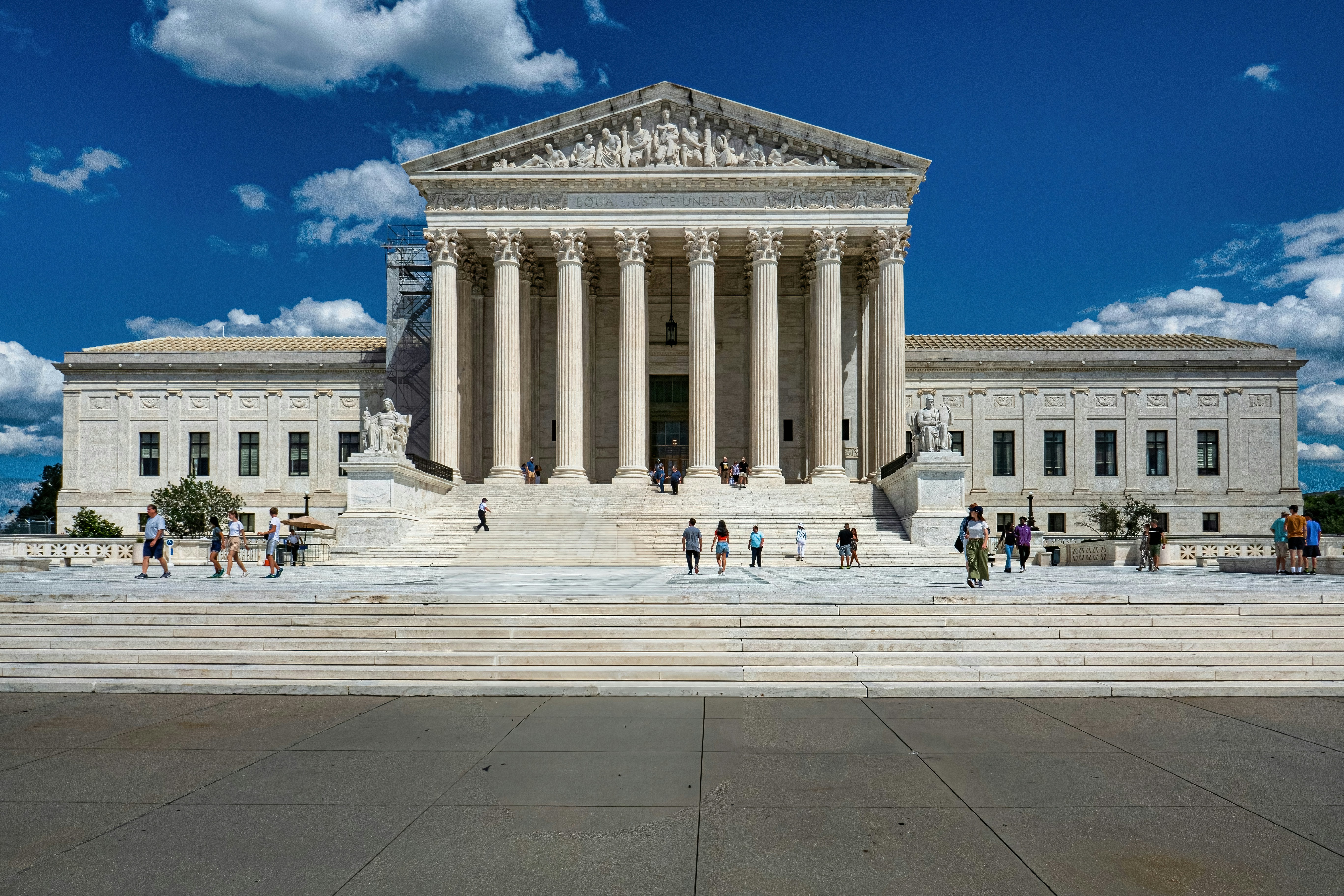
On June 25, 2026, the U.S. Supreme Court ruled 7 to 2 that people who developed cancer after using Roundup can no longer sue the manufacturer for failing to warn them, as long as the EPA approved the product's label. Most people never heard about it. The ruling didn't trend. It didn't lead the evening news. But it just closed the courthouse door on tens of thousands of families who believed they had a case.
I've spent years in San Antonio courtrooms handling injury claims, and I can tell you this ruling matters far beyond Missouri, where the underlying case was filed. If you or someone you love has been exposed to a dangerous product with an EPA-approved label, this decision changes what your legal options look like. Here's what happened, why it happened, and what it means going forward.
The case: Monsanto Company v. Durnell
John Durnell used Roundup, the glyphosate-based weed killer made by Monsanto, for roughly 20 years. He developed non-Hodgkin lymphoma, a blood cancer that has been at the center of Roundup litigation for nearly a decade. Durnell sued Monsanto in Missouri state court, arguing the company should have put a cancer warning on Roundup's label and failed to.
A Missouri jury agreed. In 2023, they awarded Durnell $1.25 million. The Missouri Court of Appeals upheld that verdict. Monsanto, now owned by Bayer, appealed all the way to the U.S. Supreme Court, arguing that a federal law called FIFRA, the Federal Insecticide, Fungicide, and Rodenticide Act, preempted Durnell's claim because the EPA had already reviewed glyphosate and never required a cancer warning on the label.
On June 25, 2026, the Supreme Court sided with Monsanto. Justice Brett Kavanaugh wrote the majority opinion, holding that FIFRA expressly preempts a state failure-to-warn claim when that claim would force a company to add a warning the EPA never required. In plain terms, the Court ruled that a jury in Missouri, or Texas, or anywhere else, can no longer decide that a company should have warned people about a risk the EPA didn't flag.
Why this ruling is such a big deal
Bayer has faced roughly 100,000 to 200,000 Roundup-related claims since the World Health Organization's cancer research arm classified glyphosate as “probably carcinogenic to humans” back in 2015. The company set aside about $16 billion to resolve this litigation and has been negotiating settlements, including a $7.25 billion proposal, while thousands of cases still sat in courts across the country.
This decision doesn't just resolve Durnell's case. It reaches into every pending Roundup failure-to-warn lawsuit and strips out the core argument most of them were built on: that Monsanto knew about the cancer risk and chose not to tell the public. Under this ruling, it no longer matters what Monsanto knew. What matters is what the EPA required.
Justice Ketanji Brown Jackson, joined by Justice Neil Gorsuch, dissented. She wrote that the majority's decision leaves Durnell, and by extension everyone in his position, “without a remedy for the significant harms he has suffered.” That's the part of this story that deserves more attention than it's gotten.
What this means if you live in Bexar County or anywhere in Texas
Texas already has some of the toughest hurdles in the country for injury claims involving federally regulated products. This ruling adds another one. If your case rests entirely on the argument that a company failed to warn you about a danger, and the product carried an EPA-approved label, that argument just got dramatically harder to bring, whether you're filing in Bexar County, Loop 410, the Medical Center area, or anywhere else in South Texas.
That does not mean every avenue is closed. Depending on the facts, claims built on design defect, manufacturing defect, or a company's conduct outside the label itself may still be available. This is exactly the kind of case where the details matter enormously, and where a broad news headline can lead people to give up on a claim that still has legal footing.
If you or a family member developed cancer after long-term exposure to Roundup, or another EPA-regulated product, don't assume the door is completely shut based on a headline. Get the facts of your specific case reviewed before you decide anything.
The bottom line
The Supreme Court didn't rule that Roundup is safe. It didn't rule that Monsanto warned people adequately. It ruled on a narrower, more technical question: whether federal pesticide law overrides a state jury's ability to require a warning the EPA didn't. The answer, as of June 25, 2026, is yes. That's the law now, and it's going to reshape product liability litigation involving EPA-approved products for years to come.
Frequently Asked Questions
Can I still sue Roundup's manufacturer for cancer after this ruling?
A failure-to-warn claim based on Roundup's label is now preempted under federal law if the EPA approved that label. Other legal theories, such as design defect or manufacturing defect, may still be possible depending on the specific facts of your case.
Does this ruling mean Roundup was proven safe?
No. The Supreme Court did not rule on whether glyphosate causes cancer. It ruled on a legal question: whether state courts can require a warning the EPA has not required. The underlying science remains disputed.
Does this decision affect other product liability cases in Texas?
Yes, potentially. Any case that depends on a failure-to-warn theory involving a product with a federally approved label, not just Roundup, may now face a similar preemption argument under FIFRA or comparable federal statutes.
What should I do if I already filed a Roundup lawsuit?
Talk to your attorney immediately about how this ruling affects your specific claim. Pending cases built solely on failure-to-warn arguments are the most directly affected, but many cases include multiple legal theories that may not all be foreclosed.
If you or someone in your family has been diagnosed with cancer after long-term exposure to Roundup or another EPA-regulated product, call our San Antonio office for a free, no-obligation case review. We'll walk you through what this ruling does and does not mean for your situation.