
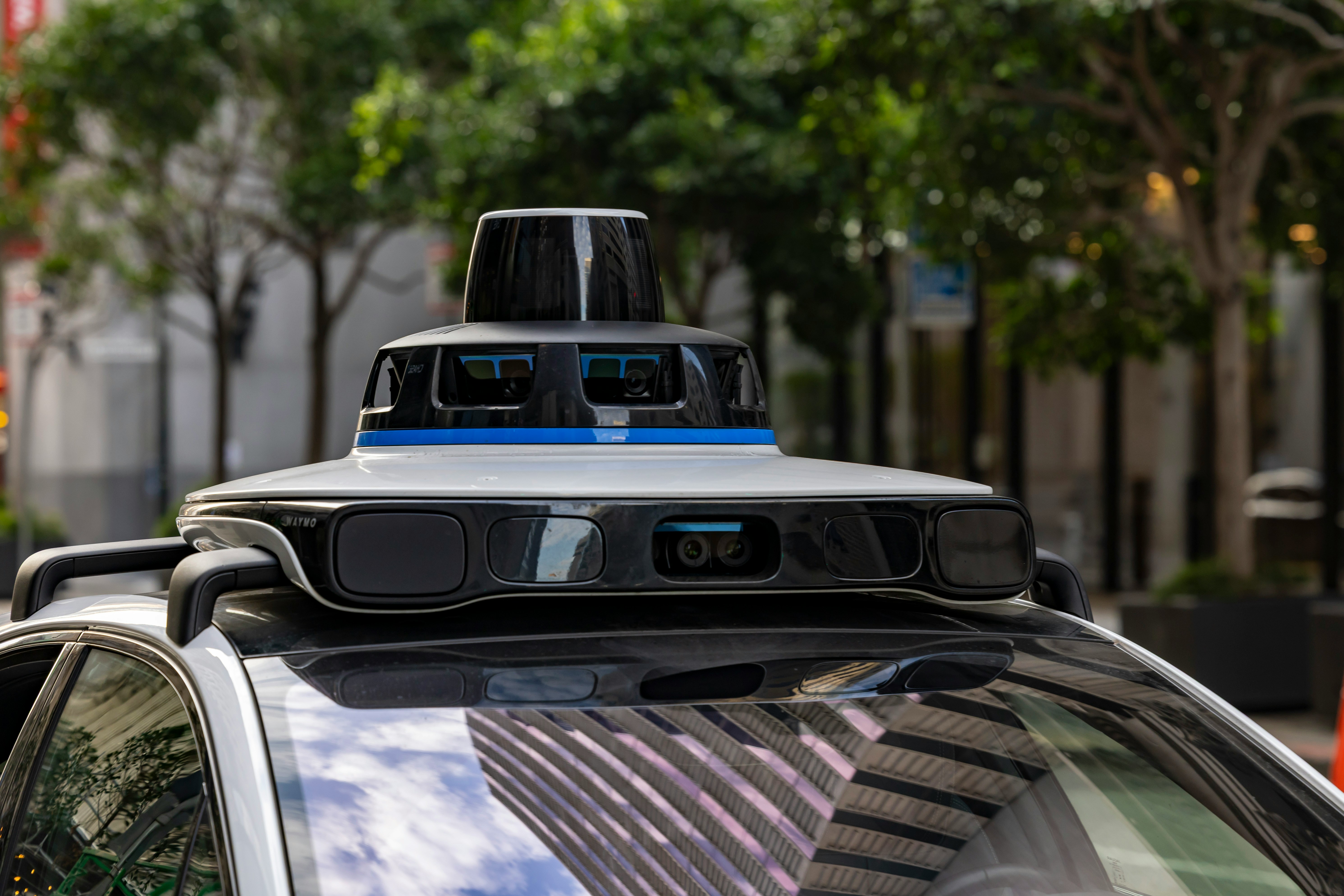
Who's Responsible When a Waymo Hits You in San Antonio? Texas Rewrote the Rule in 2025.
By Steven | Personal Injury Attorney, San Antonio, Texas
Most people assume a driverless car creates a legal puzzle: no driver, so who answers for the crash? Texas has already answered part of that question, and the answer surprises people. The harder problem for an injured person is not figuring out who is responsible. It is making sure the evidence that proves it still exists a month from now.
Waymo's robotaxis have been on San Antonio streets since late February 2026. If you drive, bike, or walk near downtown or the airport, you share the road with them. Here is what Texas law says, and what I would want you to know before you ever need it.
Waymo in San Antonio, in Brief
Waymo launched in San Antonio in late February 2026 with a service area of about 60 square miles, and added San Antonio International Airport at the end of March. Then came the flooding. On April 20, an unoccupied Waymo drove into a flooded crossing at Interstate 35 and Salado Creek on the East Side and was swept into the water. About two weeks earlier, another vehicle had become stranded near McCullough Avenue and Contour Drive.
Waymo paused service, issued a software recall covering almost 3,800 vehicles, and returned to San Antonio on September 17, 2026, with location-specific limits in flood-prone areas.
None of that tells me Waymo is unsafe overall. I mention it because it shows how a local road, a Texas storm, and complex software can meet in ways nobody planned for. When that happens and someone is hurt, the law matters.
What Texas Law Says About Who Is "Driving"
In June 2025, Governor Abbott signed Senate Bill 2807, which took effect September 1, 2025 and rewrote Subchapter J of Chapter 545 of the Transportation Code. Under it, when an automated driving system is engaged, the system itself is the operator of the vehicle, including for purposes of deciding whether traffic laws were followed. An earlier 2017 law, Senate Bill 2205, had treated the owner of the system as the operator for that purpose.
SB 2807 also created a permit gate. A company operating driverless vehicles commercially in Texas must hold authorization from the Texas Department of Motor Vehicles, and that requirement became enforceable May 28, 2026. The law requires an automated vehicle to be equipped with a manufacturer-installed recording device, and the authorization process requires a first responder plan filed with the Department of Public Safety.
"Operator" Is Not the Same as "Who Pays You"
This is the point that gets lost. SB 2807 answers who counts as the driver for traffic-law purposes. It does not decide who owes you money. That answer comes from ordinary Texas negligence and product liability law, and it can involve several parties: the company running the service, the maker of the driving system or the vehicle, a maintenance contractor, and sometimes the human driver of another vehicle.
Under Chapter 33 of the Civil Practice and Remedies Code, fault can be divided among all of them by percentage, and a claimant found more than 50 percent responsible recovers nothing. The more parties involved, the more each one can point at someone else. I see the same dynamic in commercial trucking cases, and the way through it is the same: evidence, gathered early.
The Evidence Lives on Someone Else's Servers
After an ordinary crash, you have photographs, witnesses, and perhaps a dashcam. After a robotaxi crash, the most important record may be the vehicle's own sensor data, camera footage, and software logs, all held by a company you may end up disputing with. If that data is overwritten, you cannot easily get it back.
Texas courts can punish the destruction of evidence, but the bar is high. In Brookshire Brothers, Ltd. v. Aldridge, 438 S.W.3d 9 (Tex. 2014), the Texas Supreme Court held that the harshest remedy, a jury instruction to presume the lost evidence was unfavorable, generally requires a finding that the party intentionally destroyed it. You cannot count on a court to repair a preservation problem after the fact. The fix is a prompt written preservation demand, sent to the right company, before the data is gone.
What This Means If You Were Hurt in San Antonio
Whether it happened downtown, on the way to the airport, or along Loop 410, these steps protect you:
- Call 911 and tell the officer a driverless vehicle was involved. Ask that the report note it, along with any unit number or markings on the vehicle.
- Photograph the vehicle from every side, including identification numbers, and the road conditions, especially if the pavement was wet.
- If you were a passenger, screenshot your trip receipt and keep the app data. Save a copy of the terms you accepted when you booked, because they may include provisions about how disputes are handled.
- Do not give a recorded statement or sign anything from a company representative until you have had advice.
- See a doctor and keep every record.
The general deadline to file an injury lawsuit in Texas is two years under Civil Practice and Remedies Code § 16.003.
Frequently Asked Questions
Can I bring a claim if no human was driving?
Yes, in the right circumstances. A person hurt by a negligently operated or defectively designed vehicle can have a claim whether or not a human was behind the wheel. Which parties are responsible depends on what the evidence shows.
Who is the "driver" under Texas law?
Under Senate Bill 2807, when an automated driving system is engaged, the system is the operator, including for purposes of assessing compliance with traffic laws. That is a different question from who is financially responsible for your injuries.
Do driverless companies need permission to operate in Texas?
For commercial operation, yes. Companies must hold authorization from the Texas Department of Motor Vehicles, enforceable since May 28, 2026. Individually owned vehicles used for personal purposes do not require that authorization.
How long do I have to file a claim?
Generally two years from the date of injury. Do not wait that long to preserve evidence, because the data can be lost in a fraction of that time.
If you or someone you love was hurt in a crash involving a driverless vehicle, I review these cases personally, and I will tell you honestly where you stand. We handle the calls, we manage the paperwork, and we stand guard over the evidence, so you can stand down and focus on getting better.