
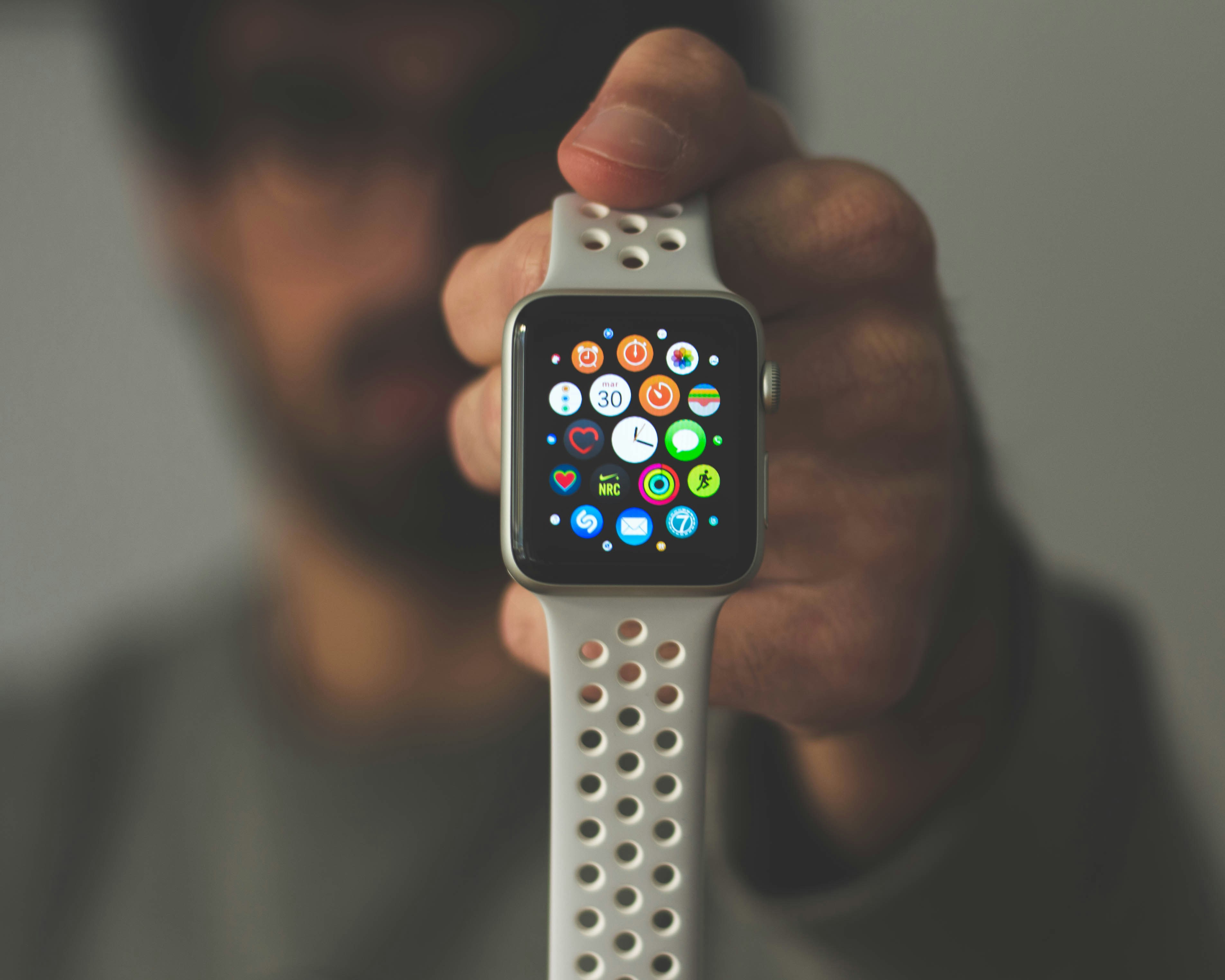
Your Fitness Tracker Is Being Used Against Injury Victims in Court. Here Is How It Works.
PERSONAL INJURY LAW
By Steven A. Lopez | Personal Injury Attorney, San Antonio, Texas
Over 100 million Americans wear an Apple Watch, an Oura Ring, or a Whoop band. Most of them think of it as a health tool. In a courtroom, it can be turned into evidence against them.
Defense attorneys can request months of that data with a simple discovery request. No hacking, no subpoena drama, just a form. They ask for your steps, your sleep, your heart rate, and sometimes your location. And in most cases, they get it.
I have watched this play out in real litigation. A client shows up to physical therapy three times a week because a doctor ordered it. Every one of those sessions adds steps to their watch. On paper, that looks like an active, healthy person. To a jury that never sat through the appointment, it looks like proof the injury was not that serious.
Nobody warns clients about this before they buy the device. I want to change that.
Why HIPAA Does Not Protect Your Wearable Data
Most people assume that anything tracking their health is covered by HIPAA. It is not, and that mistake can cost you at trial.
HIPAA only applies to what the law calls covered entities: doctors, hospitals, insurers, and the vendors who handle claims on their behalf. Apple, Oura, and Whoop do not fit that definition. They sell wellness products, not medical devices, so the data your ring or watch collects sits completely outside HIPAA's protections.
That single classification decision, wellness device instead of medical device, is why this data is so much easier to obtain than your actual medical chart. Your hospital records require a signed authorization and are governed by strict federal privacy rules. Your Whoop data is just another electronic record sitting on a company's server, waiting for a discovery request.
How Defense Attorneys Actually Get This Data in a Texas Case
Texas discovery rules are broad by design. Texas Rule of Civil Procedure 192.3 allows either side to request any information that is relevant to the case and not privileged. Courts read relevant generously here. If you are claiming a leg injury and your Apple Watch logged your daily step count for the past year, a judge in Bexar County is likely to find that relevant enough to order produced.
Texas Rule of Civil Procedure 196.4 covers electronically stored information specifically. Unlike some federal cases, Texas requires the requesting party to specifically ask for this type of data rather than assuming it is included in a general request. That is a small procedural detail, but it matters. It means defense firms that know what they are doing build wearable data requests into their standard discovery playbook from day one.
This is not theoretical. Courts around the country have already ordered plaintiffs to turn over Fitbit and Apple Watch data in personal injury cases. In one federal case, a plaintiff claimed he could barely walk, but his own wearable data and deposition testimony told a different story, and the court ruled the data was relevant and had to be produced. In another case involving a circus performer's head injury claim, the court ordered the plaintiff to hand over her fitness tracking accessories outright.
Not every request succeeds. A New York court blocked a defense request for Fitbit records in a case where the argument for relevance was speculative at best. The lesson is not that this data is always discoverable. It is that whether it gets turned over usually comes down to how well your attorney fights the request, and how carefully the story your data tells lines up with the story your medical records tell.
Why 8,000 Steps Does Not Mean You Are Fine
Here is the problem with letting raw numbers speak for themselves. A step count has no context attached to it.
A client walking laps around a Medical Center rehab facility during a required physical therapy session generates steps. A client pacing their kitchen because sitting still triggers nerve pain generates steps. A client forcing themselves through a doctor-ordered walking program despite real pain generates steps. None of that shows up as pain in the data. It shows up as activity.
Defense attorneys know this. They are not trying to prove you are lying. They are trying to create doubt. A slide in front of a jury that reads eight thousand steps on the day you say you could barely move is a powerful visual, even when the full explanation is completely reasonable. Juries remember charts. They do not always remember the caveat that comes after it.
This is exactly why the medical records matter more than the wearable data, and why I always tell clients the same thing. Your device measures motion. It does not measure pain, and it does not measure why you moved.
What I Tell Clients From South Texas About Their Wearables
I do not tell clients to stop wearing their watch or ring after an accident. Deleting or disabling the device after a claim is filed can look like spoliation of evidence, and that creates a far bigger problem than the data itself ever would.
What I do tell every client in and around San Antonio is to be consistent. If your Loop 410 commute or your daily routine changes because of your injury, your medical records need to reflect that change in as much detail as your device does. If you were ordered into physical therapy, that needs to be documented clearly so nobody can point to a spike in your step count and claim it proves you were never hurt.
I also tell clients to talk to me before they hand anything over. Just because a request is broad does not mean every part of it should be produced. Part of my job is narrowing these requests to what is actually relevant to your injury, not your entire digital life.
Frequently Asked Questions
Can a defense attorney get my Apple Watch data without my permission?
Yes, through a formal discovery request once a lawsuit is filed. HIPAA does not shield wearable data because companies like Apple and Fitbit are not HIPAA covered entities. The request still has to meet Texas's relevance standard under Rule 192.3, and your attorney can push back if the request goes too far.
Does a high step count on my Fitbit or Apple Watch hurt my injury claim?
It can, if it is not explained. Step counts alone do not show pain, medical necessity, or the difference between required physical therapy and normal daily movement. Detailed, consistent medical documentation is what keeps a step count from being twisted into something it is not.
Should I stop wearing my fitness tracker after a car accident or injury?
No. Turning it off or deleting data after a claim begins can be treated as spoliation of evidence, which creates serious credibility problems in court. Keep wearing it normally and let your attorney handle how that data gets used.
Is wearable device data covered by HIPAA in Texas?
No. HIPAA only covers healthcare providers, health plans, and their business associates. Consumer wearable companies sell wellness products, not medical devices, so they fall outside HIPAA regardless of what state you live in.
The Bottom Line
The device on your wrist was built to help you take care of yourself. In litigation, it can just as easily be used to argue you were never hurt in the first place. The way to protect yourself is not to hide the data. It is to make sure your medical records, your treatment history, and your attorney's strategy account for exactly what that data will show before the other side ever sees it.
If you have been injured and you are worried about what your smartwatch, ring, or fitness tracker might say about your case, talk to someone who has handled this exact issue before. Call my office in San Antonio for a free consultation, and let's make sure your data tells the truth about what happened to you.
By Steven A. Lopez | Personal Injury Attorney, San Antonio, Texas