
State Farm's $100 Check Isn't a Thank You. It's a Distraction.
By Steven A. Lopez | Personal Injury Attorney, San Antonio, Texas
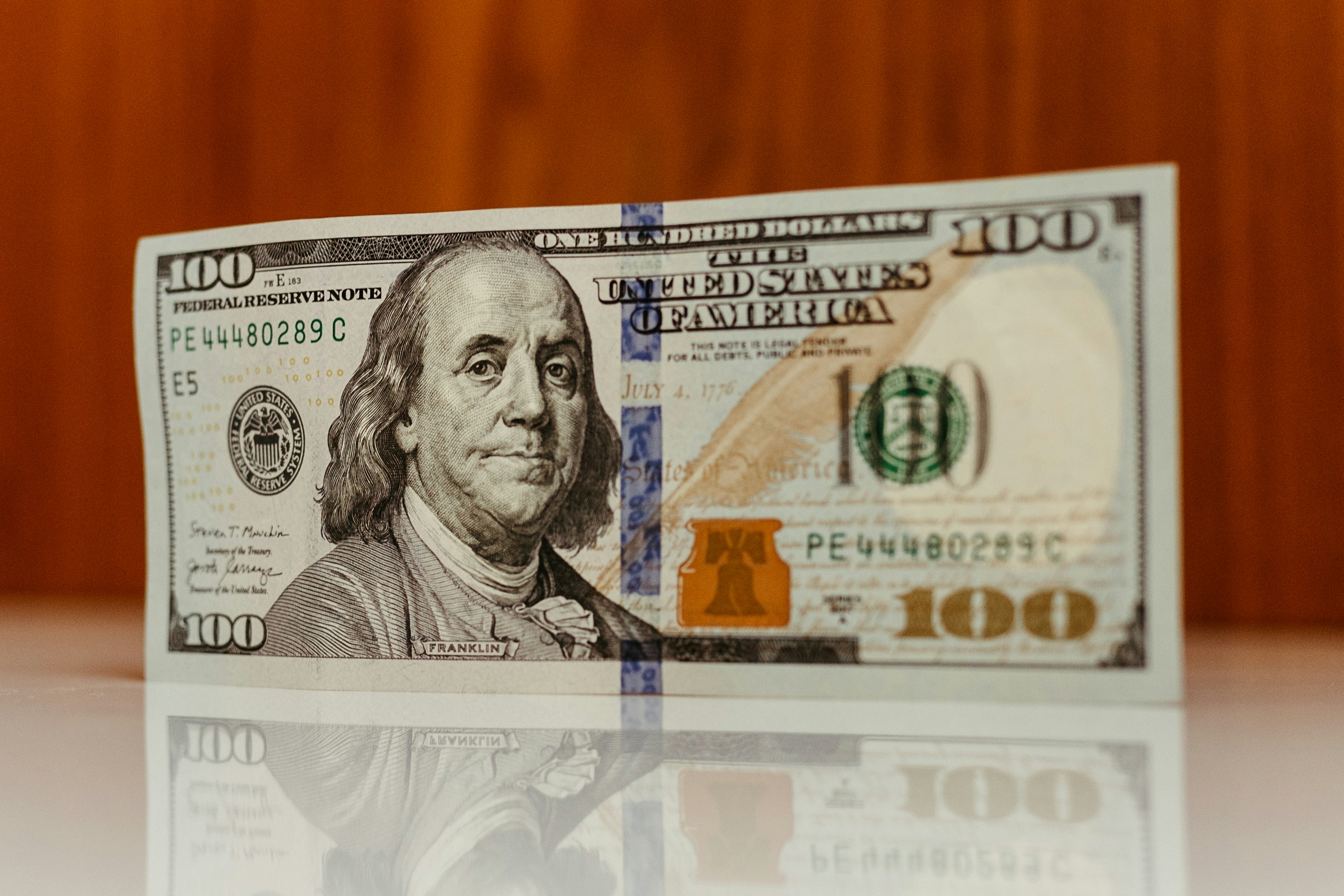
You open your mailbox and there is a check from State Farm for about a hundred dollars. It feels like a bonus. It is not.
State Farm just closed its best year in company history. Then it mailed you a hundred bucks and called it a dividend. Before you cash that check and move on, look at the numbers behind it. They tell a very different story than the press release.
The record year nobody put on a postcard
State Farm reported net income of $12.9 billion for 2025. That is more than double the $5.3 billion it earned in 2024. The company's net worth climbed to $170 billion, up from $145.2 billion the year before.
Auto insurance is where most of that came from. State Farm collected $71.3 billion in earned premium on auto policies in 2025 and paid out $52.6 billion in claims and loss adjustment expenses. That left a $4.6 billion underwriting gain on cars alone, a swing from an underwriting loss the year before.
So the company brought in far more in premiums than it paid out in claims, built up its reserves by another $25 billion, and then announced a $5 billion "cash back" dividend. Spread across 49 million insured vehicles, that comes out to an average of about $100 per vehicle.
Run the math yourself. $5 billion is roughly 39 percent of the $12.9 billion State Farm made last year. The company kept the rest. A hundred dollars sounds nice sitting in your hand. It looks a lot smaller sitting next to a record-breaking year.
A check in the mail is not the same as a claim handled fairly
Here is what that $100 check does not tell you. While State Farm was posting record profit, it was also fighting policyholders over what claims are actually worth.
In 2025, a federal jury in Arkansas returned a verdict of roughly $30 to $40 million against State Farm over systematic undervaluation of total-loss vehicles, a practice that reportedly affected about 37,000 policyholders. That is not one bad adjuster having a rough week. That is a pattern large enough for a jury to put a number on it.
Closer to home, the Texas Supreme Court dealt with a State Farm bad faith dispute of its own in 2025. In In re State Farm Mutual Automobile Insurance Co., a driver named Mara Lindsey was rear-ended in a wreck that left her with more than $300,000 in medical expenses. After the at-fault driver's insurance paid its policy limit, State Farm made what the case describes as a minimal offer on her underinsured motorist claim. She had to sue to get the court to sort out how her bad faith claims against State Farm should even proceed.
That is the pattern I see in my own practice here in Bexar County. The company that can afford to send 49 million $100 checks in a single year is often the same company sending a lowball offer to someone with real medical bills and a real injury, betting that person won't push back.
Texas law does not let insurers lowball you and walk away
Texas insurance law gives policyholders more protection than most people realize. Chapter 542 of the Texas Insurance Code, the Texas Prompt Payment of Claims Act, sets hard deadlines for how fast an insurer has to acknowledge, investigate, and pay a valid claim. Miss those deadlines, and the insurer can owe you interest and attorney's fees on top of the claim itself.
Chapter 541 goes further. It prohibits unfair claims settlement practices outright, things like misrepresenting policy terms, failing to promptly investigate a claim, or refusing to pay without a reasonable basis. Every insurer doing business in Texas, including State Farm, owes policyholders a duty of good faith and fair dealing. That duty does not disappear because the company had a record year. If anything, a record year makes it harder to explain why a legitimate claim got lowballed or denied.
If your claim was denied, delayed past those statutory deadlines, or settled for a fraction of what your medical records and lost wages actually support, that is not something a $100 check makes right. It's a separate legal issue, and it's one Texas law gives you tools to fight.
Frequently Asked Questions
Does State Farm's dividend mean my claim will be handled fairly?
No. The dividend is a company-wide payout tied to overall profit, not a promise about how any individual claim gets handled. State Farm posted a $4.6 billion underwriting gain on auto insurance in 2025 while also facing bad faith litigation over claim valuations in multiple states, including Texas.
How much did State Farm actually make compared to what it gave back?
State Farm reported $12.9 billion in net income for 2025 and issued a $5 billion dividend, about 39 percent of what it earned. The average payout came to roughly $100 per insured vehicle across 49 million vehicles.
What should I do if State Farm denied or lowballed my claim in San Antonio?
Document everything, get your medical records and repair estimates in writing, and do not accept a settlement offer before you understand the full value of your claim. Texas gives you deadlines and remedies under the Insurance Code that most people never learn about until it's too late to use them. Talk to a personal injury attorney before you sign anything.
Can I still get more money after cashing a State Farm settlement check?
It depends on what the check says and what you signed. Some payments, like this dividend, are unrelated to any specific claim and do not affect your rights. But cashing a check tied to a claim settlement can sometimes close out your case for good. If you're not sure which kind of check you're holding, ask an attorney before you deposit it.
If State Farm denied your claim, offered far less than your medical bills and lost wages support, or dragged out your case while posting record profit, that is not a coincidence you have to accept quietly.
I represent injured people across San Antonio and Bexar County against insurers who bank on people not pushing back. Contact my office for a free consultation to find out what your claim is actually worth.